
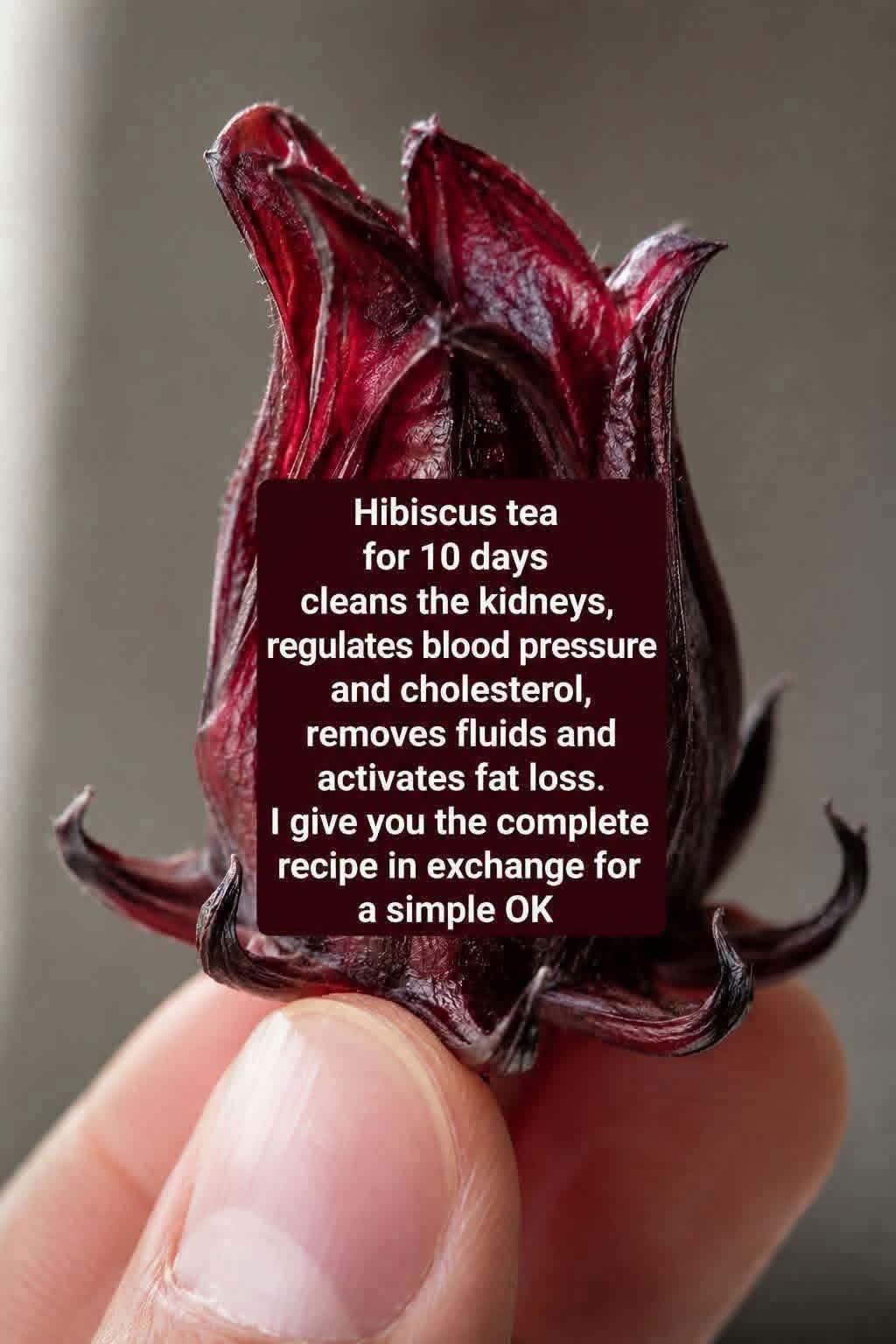
Hibiscus tea is a beautiful ruby-red herbal drink made from the dried calyces of the hibiscus plant. It has a naturally tart, cranberry-like flavor and can be enjoyed either hot or cold.
For generations, hibiscus has been used in traditional herbal preparations around the world. Today, it has also attracted attention because research suggests that drinking hibiscus tea may have modest effects on blood pressure and may provide antioxidant compounds.
However, it is important to separate traditional claims from what has actually been studied. Hibiscus tea is not a proven way to “cleanse” the kidneys, remove body fat, cure disease, or replace prescribed medication.
Still, as part of a balanced lifestyle, it can be a refreshing and flavorful drink.
Why People Drink Hibiscus Tea
Hibiscus contains naturally occurring plant compounds, particularly anthocyanins and other polyphenols, which have antioxidant properties.
Potential areas of interest include:
- Supporting a healthy blood-pressure range
- Providing antioxidant compounds
- Adding variety to a healthy beverage routine
- Supporting hydration when consumed without excessive sugar
- Providing a naturally caffeine-free alternative to tea and coffee
Research on hibiscus has found promising effects on blood pressure, particularly in people with elevated blood pressure, although the evidence is not strong enough to consider hibiscus a treatment on its own.
Simple Hibiscus Tea Recipe
Ingredients
- 2 tablespoons dried hibiscus flowers or hibiscus calyces
- 4 cups water
- 1–2 teaspoons honey, optional
- 1–2 teaspoons fresh lemon juice, optional
- A small piece of fresh ginger, optional
- Ice, optional, for iced tea
How to Make Hibiscus Tea
Step 1: Boil the Water
Bring 4 cups of water to a boil.
Once the water reaches a boil, remove it from the heat.
Step 2: Add the Hibiscus
Add the dried hibiscus flowers to the hot water.
If you are using ginger, add a few thin slices at this stage.
Step 3: Steep
Cover the pot or container and allow the hibiscus to steep for approximately 5–10 minutes.
The longer it steeps, the stronger and more tart the flavor will become.
Step 4: Strain
Pour the tea through a fine strainer to remove the hibiscus flowers and any pieces of ginger.
Step 5: Add Flavor
Taste the tea.
If desired, add a small amount of honey or another sweetener.
Fresh lemon juice can also add brightness, although hibiscus is already naturally tart.
Step 6: Serve
For hot tea, serve immediately.
For iced hibiscus tea, allow it to cool before pouring it over ice.
Hibiscus Tea and Blood Pressure
One of the most researched potential benefits of hibiscus tea is its relationship with blood pressure.
Some clinical studies have found that regular consumption of hibiscus preparations may modestly lower systolic and diastolic blood pressure in people with elevated blood pressure.
The exact mechanism is not completely established, and hibiscus should not be viewed as a substitute for prescribed blood-pressure medication.
If you take medication for blood pressure, speak with a healthcare professional before regularly consuming concentrated hibiscus preparations.
Hibiscus Tea and Antioxidants
Hibiscus is naturally rich in plant compounds with antioxidant activity.
Antioxidants help protect cells from oxidative stress, which is a normal process in the body that can increase with factors such as aging, environmental exposures, and certain lifestyle habits.
Drinking hibiscus tea can therefore be one enjoyable way to include more plant-based compounds in your diet.
However, no single drink can “detox” the entire body or eliminate toxins from the kidneys or liver. Your body already has organs, including the liver and kidneys, that perform these functions.
Can Hibiscus Tea Help With Weight Loss?
Hibiscus tea is sometimes promoted online as a powerful fat-burning drink.
The reality is more modest.
Unsweetened hibiscus tea is naturally low in calories, making it a good replacement for sugary drinks. Replacing high-calorie beverages with unsweetened tea can support an overall calorie-controlled diet.
There is not enough evidence to say that hibiscus tea directly “burns fat” or causes rapid weight loss.
For healthy weight management, the most important factors remain overall diet, physical activity, sleep, and sustainable calorie intake.
Does Hibiscus Tea Clean the Kidneys?
You may see claims that drinking hibiscus tea for a certain number of days will “clean” or “detox” the kidneys.
There is no good evidence that a 10-day hibiscus tea regimen cleanses the kidneys or removes kidney disease.
Staying properly hydrated is important for normal kidney function, and hibiscus tea can contribute to your daily fluid intake.
If you have kidney disease, kidney stones, swelling, blood in the urine, or persistent changes in urination, it is much more important to seek medical advice than to rely on a homemade tea.
Hibiscus Tea and Cholesterol
Some studies have investigated hibiscus preparations and cholesterol levels, with mixed results.
Although the research is interesting, hibiscus tea should not be considered a proven treatment for high cholesterol.
If your cholesterol is elevated, focus on an overall heart-healthy eating pattern, regular activity, maintaining a healthy weight, and any treatment recommended by your healthcare professional.
Hot or Cold: Which Is Better?
Both versions can be enjoyable.
Hot Hibiscus Tea
Hot tea is comforting and easy to prepare. It is especially pleasant with ginger or a small amount of honey.
Iced Hibiscus Tea
Cold hibiscus tea makes an excellent summer drink.
Prepare the tea as normal, allow it to cool, then refrigerate it and serve over ice.
For a refreshing version, add:
- Lemon slices
- Lime
- Fresh mint
- Orange slices
- A few berries
Try to keep added sugar low if you’re drinking it regularly.
Helpful Tips
Don’t Make It Too Strong
Hibiscus has a naturally intense, tart flavor. If your tea tastes too sour, simply dilute it with additional water.
Watch the Sweetener
Adding large amounts of sugar can turn a naturally low-calorie drink into a sugary beverage.
A little honey is enough for most people.
Use Food-Grade Hibiscus
Only use hibiscus products intended for culinary or beverage use.
Do not randomly consume ornamental hibiscus plants because different species and preparations may not be appropriate for consumption.
Keep It Refrigerated
If you prepare a larger batch, store the finished tea in a clean, covered container in the refrigerator.
Important Safety Considerations
Hibiscus tea is generally well tolerated as a beverage by many healthy adults, but it is not appropriate for everyone.
Hibiscus may potentially lower blood pressure, so people taking blood-pressure medication should be cautious about regular or concentrated consumption.
Pregnant or breastfeeding individuals should speak with a healthcare professional before using hibiscus medicinally because safety data are limited.
People taking medications or managing chronic conditions should also check with a healthcare professional before using large amounts of herbal preparations.
Stop drinking it if you experience an unusual reaction.
Frequently Asked Questions
Can I drink hibiscus tea every day?
For many healthy adults, a normal food-and-beverage amount is generally reasonable. However, drinking large quantities or using concentrated extracts is different from having an ordinary cup of tea.
Does hibiscus tea contain caffeine?
Pure hibiscus tea is naturally caffeine-free.
However, check the ingredient label if you’re buying a tea blend because other ingredients may contain caffeine.
Can I drink it before bed?
You can, provided it does not cause you to wake up frequently to urinate or otherwise disturb your sleep.
Can hibiscus tea replace blood-pressure medication?
No.
Even if hibiscus produces a modest reduction in blood pressure, it should not be used as a replacement for medication prescribed by your doctor.
Can it detox the body?
There is no reliable evidence that hibiscus tea performs a special “detox” of the body.
It can contribute to hydration, while your liver and kidneys naturally handle waste removal.
Is hibiscus tea good for weight loss?
Unsweetened hibiscus tea is a low-calorie beverage and can be useful as an alternative to sugary drinks. But it should not be considered a rapid fat-burning treatment.
A Simple Daily Preparation
If you enjoy hibiscus tea, you can prepare a small batch rather than making it repeatedly throughout the day.
Use:
- 2 tablespoons dried hibiscus
- 4 cups water
Steep for 5–10 minutes, strain, and allow it to cool.
Keep it refrigerated and enjoy it unsweetened or lightly sweetened.
There is no need to follow an extreme “10-day cleanse” or drink excessive amounts to obtain the potential benefits.
Final Thoughts
Hibiscus tea is more than just a beautiful red drink. It has a refreshing tart flavor and contains naturally occurring antioxidant plant compounds. Research also suggests that hibiscus may have a modest beneficial effect on blood pressure in some people.
But it is important to avoid exaggerated claims. Hibiscus tea does not literally cleanse the kidneys, dissolve body fat overnight, cure high blood pressure, or replace medical treatment.
The best way to enjoy it is as part of a balanced lifestyle: prepare it simply, avoid excessive added sugar, stay hydrated, and enjoy it as a flavorful caffeine-free beverage.